



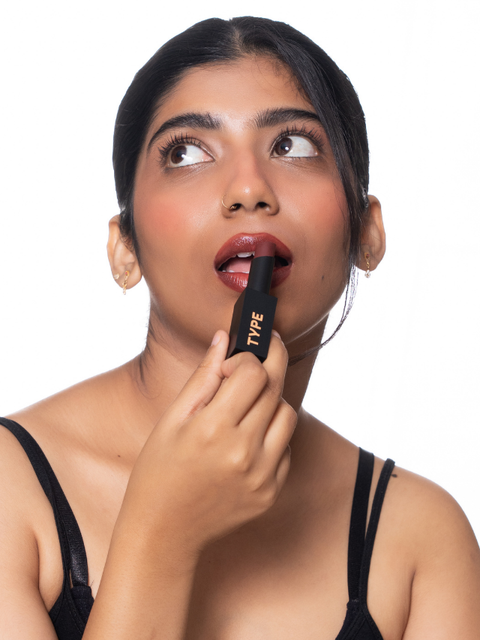
How to Remove Lipstick Stains from Clothes, Skin & Other Fabrics
Lipstick stains can usually be removed from clothes, pillowcases, handkerchiefs, tablecloths, and other washable fabrics by blotting the stain first and using the right cleaner, such as rubbing alcohol, dish soap, or a stain remover. Avoid hot water or vigorous rubbing, as both can set the stain deeper into the fabric. Acting quickly gives you the best chance of removing the lipstick completely without damaging the material.
Lipstick stains are stubborn because they contain a combination of oils, waxes, pigments, and long-wearing ingredients that cling to fabrics and other surfaces. The good news is that most lipstick stains can be removed successfully if you use the right cleaning method for the affected material and treat the stain before it sets. Whether you've stained your favourite shirt, saree, pillowcase, bedsheet, upholstery, or tablecloth, this guide explains safe and effective ways to remove lipstick stains using everyday household products and proven stain-removal techniques.
A lipstick smudge on your shirt collar, a stain on your dupatta, or a mark on your pillowcase can happen when you least expect it. The same pigments, oils, and waxes that help lipstick stay on your lips also make it cling to fabric. The good news is that with the right approach and quick action, most lipstick stains can be removed without leaving a permanent mark.

This guide covers practical methods to remove lipstick stains from clothes, upholstery, pillowcases, bedsheets, and other common household fabrics, along with mistakes to avoid so you don't make the stain harder to remove.
Table of Contents
- Main Types of Lipstick Stains
- First Steps: Blotting and Prep
- Removal Methods by Surface
- Natural Home Remedies That Work
- What Not to Do
- Products That Actually Help
- FAQs
Main Types of Lipstick Stains
Not all lipstick stains behave the same. Matte liquid lipsticks contain film-formers and high pigment loads, which means they grip surfaces harder and need oil-based removers. Creamy bullet lipsticks have more oils and waxes, making them easier to lift but also more likely to spread if you rub them wrong. Gloss and tints are lighter but can soak into fabric fibers faster because of their liquid consistency, and a lip tint in particular tends to wipe away more easily thanks to its thinner formula.
Knowing your lipstick type helps you choose the right solvent. Oil-based formulas (bullets, glosses) respond to dish soap or rubbing alcohol. Matte liquids need something stronger, like makeup remover or isopropyl alcohol. Not sure which finish suits you? See our matte vs glossy lipsticks comparison.
First Steps: Blotting and Prep
The moment you notice a lipstick stain, your first move matters. Blot, don't rub. Rubbing spreads the pigment deeper into fabric or carpet fibers. Use a clean white cloth or paper towel and press gently to lift excess product. Blot from the outside of the stain inward to avoid expanding the affected area.
For fabrics, check the care label before applying any solvent. Delicate materials like silk or wool need gentler treatment than cotton or polyester. For carpets, test your cleaning solution on a hidden spot first to make sure it doesn't discolor the fibers. If you're also prone to transferring a soft flush of colour from a cheek tint onto pillowcases, the same gentle blotting approach works well there too.
Timing is everything. Fresh stains come out easier than set-in ones. If you're dealing with an old stain, you'll need more patience and possibly multiple treatments.
Removal Methods by Surface
Removing Lipstick from Clothes
Lipstick stains on shirts, dresses, jeans, or other clothing are easiest to remove when treated immediately. Before applying any cleaning product, gently blot away excess lipstick with a paper towel or spoon instead of rubbing it deeper into the fabric.
Rubbing alcohol is one of the most effective solutions for washable fabrics. Dampen a clean cloth with rubbing alcohol and gently dab the stain from the back of the fabric so the pigment lifts away from the fibres. Once the stain starts fading, wash the garment according to its care label.
For fresh stains, apply a few drops of dishwashing liquid directly to the affected area. Let it sit for about five minutes before rinsing with cold water. The grease-cutting formula helps dissolve the oils and waxes found in lipstick.
If the stain has already dried, apply a thin layer of petroleum jelly and leave it on for 10 minutes. Wipe away the loosened lipstick, then treat the area with dish soap before washing as usual. For more beauty and makeup tips, explore lipstick shades for a professional look .
On light-coloured fabrics, a mixture of one part white vinegar and two parts dish soap can help lift stubborn marks. Apply the mixture, leave it for 10–15 minutes, rinse with cool water, and launder normally.
Tip: Always avoid hot water until the stain is completely gone, as heat can permanently set lipstick pigments into the fabric.
Removing Lipstick from Pillowcases and Bed Linen
Lipstick transfer onto pillowcases or bed sheets is common, especially after wearing long-lasting formulas. If you prefer a more sheer, low-transfer alternative for everyday wear, a lip and cheek tint can reduce how often this happens in the first place. Treat the stain as soon as possible for the best results.
Start by blotting away any excess product without rubbing. Apply a small amount of liquid laundry detergent or dish soap directly to the stain and allow it to sit for 10 minutes. Rinse with cold water before washing the pillowcase according to the fabric care instructions.
For stubborn stains, gently dab the area with rubbing alcohol before laundering. Always test the product on a hidden corner first if the fabric is coloured or delicate.
Removing Lipstick from Handkerchiefs and Tablecloths
Cotton handkerchiefs and tablecloths can usually be cleaned using the same method as clothing.
Apply a few drops of dish soap or liquid detergent to the stain and gently work it into the fabric with your fingers. After a few minutes, rinse with cold water and wash normally. If traces of lipstick remain, dab the stain with rubbing alcohol before washing again.
For delicate fabrics such as linen or embroidered tablecloths, check the care label first and avoid harsh scrubbing that could damage the fibres.
Removing Lipstick from Upholstery
Lipstick can accidentally transfer onto sofas, dining chairs, or fabric-covered furniture. Since upholstery cannot be machine washed, it's important to clean the stain carefully. Products with a hydrating base, like a lip oil, tend to leave a lighter mark than heavier formulas, which can help minimise transfer onto furniture.
Begin by removing any excess lipstick with a spoon or the edge of a credit card. Blot the stain gently using a clean white cloth.
Mix one teaspoon of dish soap with two cups of cool water, dip a clean cloth into the solution, and gently blot the stained area from the outside toward the centre. Continue until the stain begins to lift, then blot again with a cloth dampened in plain water to remove any soap residue.
If needed, use a small amount of rubbing alcohol on a clean cloth to tackle stubborn pigment. Always test any cleaning solution on an inconspicuous area first to ensure it does not affect the fabric's colour.
Important: Avoid vigorous rubbing or soaking upholstery, as excess moisture can damage the fabric and padding underneath.
Natural Home Remedies That Work
Baking soda paste (baking soda mixed with a few drops of water) can lift lipstick from fabric. Apply the paste to the stain, let it dry, then brush off and rinse with cold water. This works best on cotton and polyester.
Lemon juice has natural bleaching properties, making it a useful option for removing stains from white fabrics. Dab fresh lemon juice onto the stain, let it sit for about 10 minutes, then rinse with cold water before washing as usual. Avoid using this method on colored fabrics, as it may fade the dye. While caring for your clothes, don't forget your beauty routine. Explore skincare-powered makeup from Type Beauty for products that combine high-performance color with skin-loving ingredients.
Cornstarch or talcum powder absorbs oily lipstick stains. Sprinkle powder over the stain, let it sit for 30 minutes, then brush off and treat with dish soap or rubbing alcohol. The same oil-absorbing principle applies to skin, which is worth keeping in mind if you're also curious what is skin tint and how it behaves differently from heavier bases on the face.
Coconut oil works on both fabric and skin. Rub a small amount onto the stain, let the oil break down the lipstick, then wash with soap and water. This method is gentle and safe for most materials.
What Not to Do
Don't use hot water on lipstick stains. Heat sets the pigment into the fabric, making it nearly impossible to remove. Always use cold or lukewarm water.
Don't rub aggressively. Rubbing spreads the stain and pushes pigment deeper into fibers. Blot gently instead.
Don't skip the test patch. Before applying any solvent to carpet or delicate fabric, test it on a hidden spot. Some chemicals can discolor or damage materials.
Don't throw stained clothes in the dryer before the stain is fully gone. The heat from the dryer will set the stain permanently.
Don't mix cleaning products without knowing how they react. Combining bleach and ammonia, for example, creates toxic fumes. Stick to one method at a time. If you'd like your base makeup to hold up just as well against transfer, this guide on how to apply foundation on face covers techniques for longer-lasting wear. Prefer a formula that resists transfer in the first place? Shop our lipsticks collection to see long-wear options.
Products That Actually Help
- Rubbing alcohol (isopropyl alcohol) is the MVP for lipstick cleaning on most surfaces. It's cheap, effective, and safe for fabric and carpets.
- Dish soap (like Dawn) cuts through the oils in lipstick and works on fresh stains.
- Makeup remover wipes or micellar water are convenient for skin and quick fabric touch-ups.
- OxiClean or oxygen bleach tackles set-in stains on white fabrics. Follow package instructions and avoid using on delicate materials.
- Commercial stain removers like Shout or Zout are formulated for grease and makeup. They're reliable backups if home remedies don't work.
For long-lasting lipstick that stays on your lips instead of transferring everywhere, Type Beauty's Light Up Lipstick delivers up to eight hours of wear without constant reapplication, reducing the chances of accidental transfer. The same logic applies to your base makeup, so it's worth knowing the difference between skin tint and foundation if you're also trying to avoid transfer onto collars and pillowcases.

Clean It Fast, Wear It Longer
Remove lipstick stains quickly by blotting first, using the right solvent, and avoiding heat. Most stains come out with rubbing alcohol, dish soap, or makeup remover if you act fast, a good complement to the shade tips in our lipstick colors to wear with a black dress guide. For lipstick that stays where it belongs, try Type Beauty's long-lasting formulas designed to minimize transfer while treating your lips.
The easiest way to deal with lipstick stains is to prevent them in the first place. Choosing a transfer-resistant, smudge-proof lipstick helps minimise colour transfer onto clothes, cups, masks, and skin while keeping your lip colour looking fresh for longer. Explore Type Beauty's long-lasting lipstick collection to discover skincare-powered formulas designed for comfortable all-day wear with reduced transfer—so your lipstick stays where it belongs.
Frequently Asked Questions
Q1. What is the best way to remove lipstick from clothes?
Rubbing alcohol is the most effective method. Dab it onto the stain with a clean cloth, working from the back of the fabric. Blot until the stain lifts, then wash with cold water. Dish soap works for fresh stains. Apply directly, let sit, then rinse and launder.
Q2. Can makeup remover clean lipstick from fabric?
Yes, but it's not always the best choice. Makeup remover works on fresh, light stains, but rubbing alcohol or dish soap is more effective for set-in stains. If you use makeup remover, apply it to a cloth and blot gently, then wash the fabric as usual.
Q3. How do I remove lipstick from my skin quickly?
Use makeup remover wipes or micellar water for the fastest results. If you don't have those, rub a small amount of coconut oil, olive oil, or petroleum jelly onto the stain, let it break down the pigment, then wipe clean with a damp cloth.
Q4. What solvents remove lipstick stains from carpets?
Rubbing alcohol is the safest and most effective solvent for carpet stains. Dampen a white cloth with isopropyl alcohol and blot the stain. You can also try dish soap mixed with warm water or hydrogen peroxide (test first on a hidden spot).
Q5. Are there home remedies for lipstick stains?
Yes. Baking soda paste lifts stains from fabric. Lemon juice works on white fabrics. Coconut oil removes lipstick from skin and fabric. Cornstarch or talcum powder absorbs oily stains. Always follow up with soap and water, and if you're building out your shade collection, see our must try lipstick shades for warm undertones guide.
Comments (0)
There are no comments for this article. Be the first one to leave a message!